 William Kuehn
 Fine lines seem to multiply overnight, sun spots outstay their welcome, and that once-vibrant complexion fades into something a little less than radiant. While aging is inevitable, the science of skin rejuvenation has never been more advanced or promising for those who want to look and feel their best at any age.
Understanding Skin Aging and Common Concerns
As time passes, skin undergoes visible and invisible shifts. Collagen and elastin production slow down, resulting in laxity, wrinkles, and dullness. Beneath the surface, physiological changes impact hydration, healing, and texture. Environmental factors, think sun exposure, pollution, and stress, speed up this process, amplifying concerns like pigmentation, roughness, and enlarged pores.
The Physiological and Physical Signs of Aging Skin
Thinning, dryness, and uneven tone appear gradually. Loss of volume or sagging skin can make facial contours look less defined. Frequently, breakouts or persistent oiliness complicate the picture, making treatment choices less straightforward.
Psychological Impact of Skin Aging
Confidence can take a hit alongside physical changes. Many people find that looking tired or worn on the outside affects how energetic or positive they feel inside.
Why Traditional Skincare May Fall Short
Moisturizers and serums offer support but often cannot repair deep structural changes. They may brighten or soften the surface, but reversing damage and restoring resilience calls for a more targeted approach.
The Science Behind Skin Resurfacing and Rejuvenation
Laser technologies have revolutionized the way professionals address skin aging. By delivering focused energy to precise layers within the skin, these treatments jumpstart the body’s own renewal mechanisms.
How Laser Treatments Interact with Skin Layers
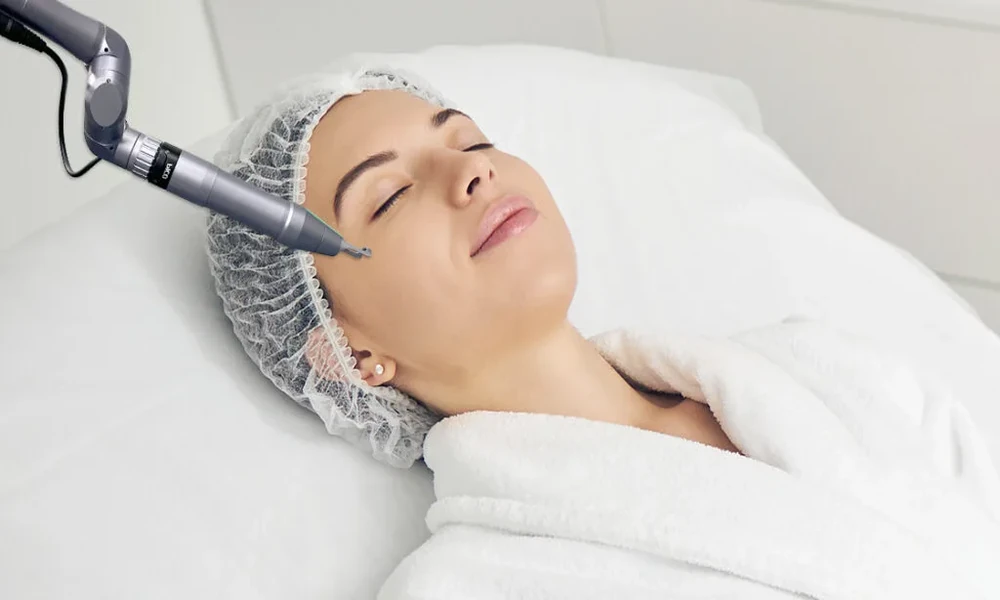
Lasers induce controlled injury in the epidermis or dermis, triggering a healing response that ramps up collagen and elastin synthesis. Depending on the wavelength and intensity, they can vaporize damaged cells (ablative) or heat tissue beneath the surface (non-ablative) for rejuvenation with minimal downtime.
Differences Between Ablative and Non-Ablative Lasers
Ablative lasers (such as CO2) remove thin layers of skin, giving dramatic improvements but requiring longer recovery. Non-ablative options penetrate without removing layers, resulting in milder effects but faster healing.
Role of Radiofrequency and Microneedling in Skin Renewal
Radiofrequency delivers heat deeply to tighten and promote cell turnover, while microneedling creates micro-injuries to stimulate new growth. Some systems blend these techniques, amplifying results and customizing treatment for unique skin challenges.
Advanced Laser Technologies for Skin Resurfacing
The latest innovations go beyond single-method devices. At the forefront are treatments that combine multiple modalities for a comprehensive rejuvenation experience.
CO2 Laser and Its Combined Protocols (e.g., SECRET™ PRO)
The CO2 laser, often considered the gold standard for resurfacing, precisely removes damaged outer layers and encourages robust collagen formation. Protocols like SECRET™ PRO double up microneedling with fractional laser, targeting both texture and laxity.
Fractional LaserMD Ultra™ 1927 nm: Features and Benefits
Fractional lasers, such as the LaserMD Ultra™ 1927 nm, offer customizable energy delivery suitable for all skin types, even those prone to hyperpigmentation. Their fractional approach means only a portion of the skin is treated in a session, reducing downtime while still producing visible improvement in tone, scars, and fine lines.
Other Cutting-Edge Options: Monopolar Multifrequency Radiofrequency (XERF)
XERF technology harnesses advanced radiofrequency to lift and tighten without surgery. It works well for clients seeking non-invasive options, especially when paired with other rejuvenation techniques.
Tailoring Treatments to Skin Types and Conditions
Not every treatment suits every complexion. Expert assessment ensures that technologies are matched to individual needs, skin tone, and underlying conditions.
Addressing Acne and Oily Skin Through Laser Therapy
For those struggling with acne or oily skin, certain lasers can target sebaceous glands to reduce breakouts and oil production. Protocols such as AviClear have demonstrated success in managing persistent acne.
Suitability for Different Skin Types and Tones
Devices like LaserMD Ultra™ 1927 nm are engineered to be safe for a wider range of skin tones, minimizing risks such as hyperpigmentation. Patch testing and specialist oversight further enhance safety.
Combining Laser with Hormonal and Injectable Therapies for Holistic Results
At practices like Clinique Anti Aging, a holistic approach merges laser treatments with hormone balancing and injectables, addressing not just the skin’s surface but also internal factors influencing aging.
Expected Outcomes and Managing Patient Expectations
Most clients notice smoother skin, improved tone, and a healthy glow within weeks, with full benefits unfolding as new collagen develops. Mild redness, swelling, or flaking may appear but typically resolve in a few days.
Typical Results and Improvement Timeline
Visible changes can start after the first session, with maximum rejuvenation becoming evident over three to six months.
Potential Side Effects and How to Minimize Them
Temporary side effects include redness, sensitivity, and in rare cases, pigment changes. Careful pre-treatment screening and aftercare help reduce these risks.
Testimonials: Real Patient Experiences and Success Stories
Patients often share how advanced laser protocols have transformed not just their appearance, but also their confidence, praising expert teams for personalized care and subtle, natural-looking results.
Preparing for Laser Skin Resurfacing Procedures
Preparation is key for optimal outcomes. A thorough consultation identifies skin goals, medical history, and realistic expectations. Adjustments to skincare routines, sun habits, and certain medications may be needed before the procedure.
Post-Treatment Care and Maintenance
After treatment, gentle cleansing, diligent sun protection, and avoidance of harsh products support healing. Maintenance sessions and a tailored skin care regimen extend results, keeping skin vibrant for years to come.
Taking Action: Choosing the Right Clinic and Treatment Plan
Selecting a clinic with deep expertise and state-of-the-art technology is crucial. Ask about practitioner qualifications, available devices, and evidence of successful outcomes. Booking a consultation is the first step on the path to renewed, lasting radiance.
Skin aging may be inevitable, but with expert-guided laser treatments, revitalization is firmly within reach.