 Jessica Monroe
You notice it when you eat something salty, when you yawn, when you brush your teeth. The skin at the corners of your mouth splits again, looks red again, stings again, and it keeps coming back just when you thought it had healed. That cycle gets old fast. It can feel minor to other people and still be miserable to live with. If it keeps returning, visiting a dentist in Applewood Mississauga may help you find out what is causing it.
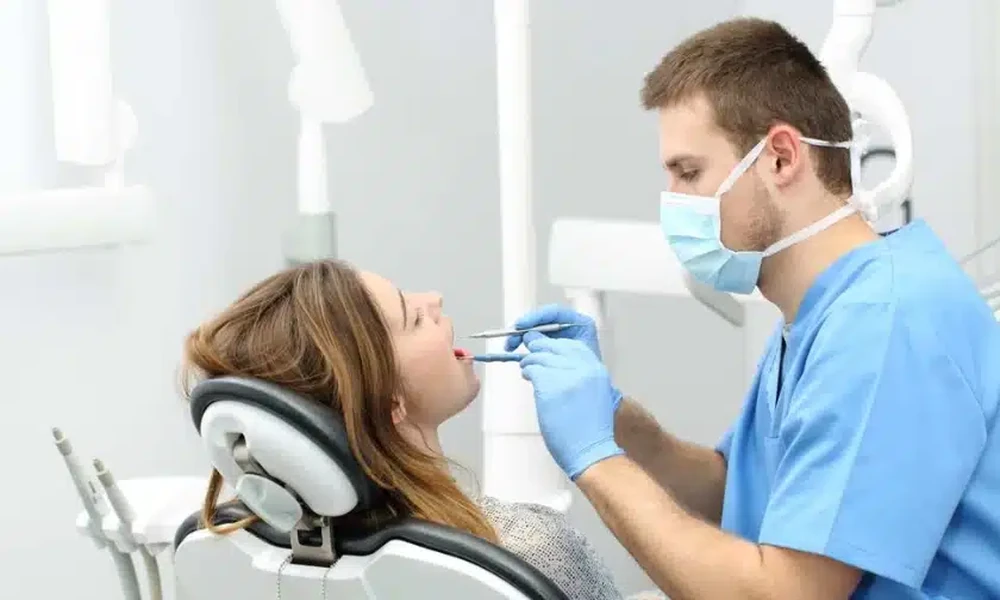
Repeated cracks at the corners of the mouth often point to more than dry skin. A general dentist looks at the area closely, checks how your teeth, saliva, lips, and bite may be affecting it, and decides whether the problem fits a pattern such as irritation, infection, denture issues, or a nutrition related concern. In many cases, this condition is known as angular cheilitis, and it can have more than one cause at the same time.
General dentists look for the reason the cracks keep returning
How General Dentists Evaluate Repeated Cracks At The Corners Of The Mouth starts with a simple idea. The crack itself is not the whole story. A dentist wants to know why the corners stay wet, irritated, or vulnerable enough to split over and over.
During an exam, the dentist usually checks the appearance of the skin first. Crusting, redness, whitening, soreness, or a burning feeling can point toward saliva irritation, yeast overgrowth, or a bacterial problem. The medical overview of angular cheilitis describes how this often develops where moisture collects and breaks down the skin barrier.
Your dentist also looks inside your mouth. Dry mouth can matter. So can lip licking, mouth breathing, drooling during sleep, and a deep fold at the corners of the lips. If you wear dentures, even well-used ones that seem fine to you can change the way your lips rest. A lower bite height can create skin folds that trap saliva all day. That is a common reason the area heals slowly and then cracks again.
Teeth alignment and bite pressure can matter too. If the corners of the mouth are stretched often, or if missing teeth have changed facial support, the skin may be under constant stress. A dentist for cracked mouth corners does not stop at the surface because the surface problem often reflects something structural.
Recurring mouth corner cracks can signal irritation, infection, or deficiency
Sometimes the cause is simple irritation. Toothpaste flavoring, harsh skin products, cold weather, or a habit of licking dry lips can keep the area inflamed. Sometimes it is an infection layered on top of irritation. Yeast and bacteria both thrive in damp skin folds, which is one reason these cracks can feel better for a few days and then flare again.
Harvard Health explains why mouth corner irritation returns by pointing to saliva pooling, infection, and underlying health issues. That matches what many general dentists see in practice. If the area is repeatedly wet, the skin softens, breaks, and becomes easier for microbes to invade.
There are also cases where the dentist starts thinking beyond the mouth. Low iron, low B vitamins, anemia, diabetes, and immune system problems can make healing slower or make infection more likely. If your history suggests that, you may be told to see your physician for lab work. That referral is not a brush off. It is part of a careful evaluation.
You may also hear the term evaluation of mouth corner sores when the dentist is deciding whether the problem fits angular cheilitis or another condition. A cold sore, contact dermatitis, trauma, or a less common lip disorder can look similar at first glance. The pattern matters. So does how long it has been there, whether it bleeds, and whether only one side is affected.
What a general dentist compares before recommending treatment
Treatment works best when it matches the cause. If you only use lip balm but the real issue is denture fit or yeast overgrowth, the crack often returns. If you only treat infection but keep licking the area because it feels dry, healing can stall.
| Possible finding | What a general dentist may notice | Common next step |
|---|---|---|
| Saliva irritation | Soft, red, macerated skin at both corners, frequent lip licking or drooling | Barrier ointment, habit changes, dryness control |
| Yeast or bacterial overgrowth | Persistent redness, crusting, soreness, recurrence after brief improvement | Topical antifungal or antibacterial treatment |
| Denture or bite issue | Collapsed bite, deep lip folds, older dentures, poor facial support | Denture adjustment, bite review, restoration planning |
| Nutritional or medical factor | Frequent recurrence, pale tissues, fatigue history, delayed healing | Medical referral, bloodwork, coordinated care |
| Another lip condition | One sided lesion, unusual texture, nonhealing area | Closer follow up, referral, or biopsy if needed |
If you want a visual reference for how these lesions can appear, the CDC clinical image of angular cheilosis shows the kind of corner cracking and inflammation dentists compare against during an exam.
Three useful steps you can take right away
Track the pattern. Notice whether the cracks show up after dental work, during cold weather, while wearing dentures, or when your lips feel dry. Pay attention to whether one side or both sides are affected. That detail helps a general dentist narrow the cause faster.
Protect the area and stop the moisture cycle. Use a plain barrier ointment on the corners of the mouth, avoid licking your lips, and stay away from irritating flavored products if they sting. If dentures feel loose or your bite has changed, do not ignore it and keep hoping the skin will settle down on its own.
Book a dental exam if it keeps returning. A general dentist can check for bite collapse, denture problems, dry mouth, infection, and signs that you need medical follow up. Recurrent cracking is easier to treat when the reason is identified early.
Persistent cracks deserve a closer look
When the corners of your mouth keep splitting, you are not being picky by wanting a real answer. The pain is real, the repeat flare ups are frustrating, and surface fixes often miss the cause. A general dentist can sort out whether this is irritation, infection, a denture or bite issue, or a sign that something else needs attention. If the cracks keep coming back, schedule an exam and get the area evaluated before it turns into another long cycle of brief relief and another painful split.