 admin
admin Sometimes the problem is not what you add to fight acidity — it is the everyday habits you do not even notice. Reflux happens when stomach acid escapes upward past a valve that is supposed to stay shut. These ten common mistakes either keep that valve open or pile extra pressure on the stomach. Spotting and fixing them is often more effective than reaching for another antacid.
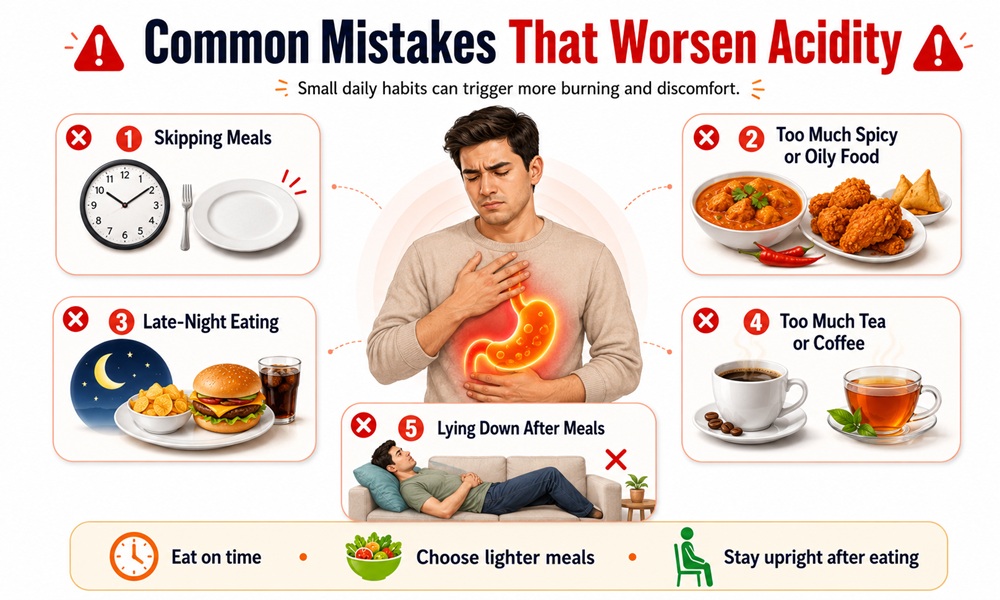
Top fixes: Stop eating huge meals, do not lie down within 2–3 hours of eating, ease off late dinners, cut back on smoking and alcohol, and do not rely on antacids forever without addressing the habits behind your symptoms.
Mistake 1: Eating meals that are too big
Large meals stretch the stomach and push upward on the valve, letting acid leak into the food pipe. Switch to smaller, evenly spaced meals plus an optional small snack, so your stomach is never overfilled.
Mistake 2: Lying down right after eating
When you recline, gravity no longer helps hold food and acid down where they belong. Stay upright for at least 2–3 hours after meals, and a gentle walk helps clear the acid pocket too.
Mistake 3: Late, heavy dinners
Eating close to bedtime means acid pools in the stomach while you sleep lying flat. Finish dinner earlier — ideally by around 7:30 p.m. — and keep the evening meal on the lighter side.
Mistake 4: Coffee on an empty stomach
Drinking coffee on a completely empty stomach can raise acid levels and trigger heartburn. Have water and some food first, then your coffee — or switch to a gentler option like green tea if coffee reliably sets you off.
Mistake 5: Smoking and too much alcohol
Nicotine relaxes the valve at the top of the stomach, and alcohol both irritates the lining and loosens that valve. Cutting back on either is one of the most effective changes you can make for reflux and for overall health.
Mistake 6: Carrying extra weight around the middle
Abdominal fat raises pressure inside the belly and pushes stomach contents upward. Even modest weight loss can meaningfully ease symptoms for many people.
Mistake 7: Tight waistbands and belts
Squeezing a full stomach physically forces its contents up toward the food pipe. Loosen tight clothing, especially right after meals when the stomach is fullest.
Mistake 8: Repeating your trigger foods
Fried and very fatty foods, large amounts of citrus, tomato, chocolate, peppermint and fizzy drinks set off many people. Rather than assuming, track your own triggers for a couple of weeks and adjust accordingly.
Mistake 9: Eating too little fiber
This one surprises people. Higher fiber intake is linked with fewer reflux episodes, and soluble fiber like psyllium has been shown to reduce symptoms. Low-fiber, heavily processed diets quietly make acidity worse over time.
Mistake 10: Relying on antacids without changing habits
Antacids and acid-reducing medicines give real relief, but using them long-term without any lifestyle change simply masks the problem. Long-term use also deserves medical supervision rather than indefinite self-treatment.
A surprising insight: diet pattern and reflux
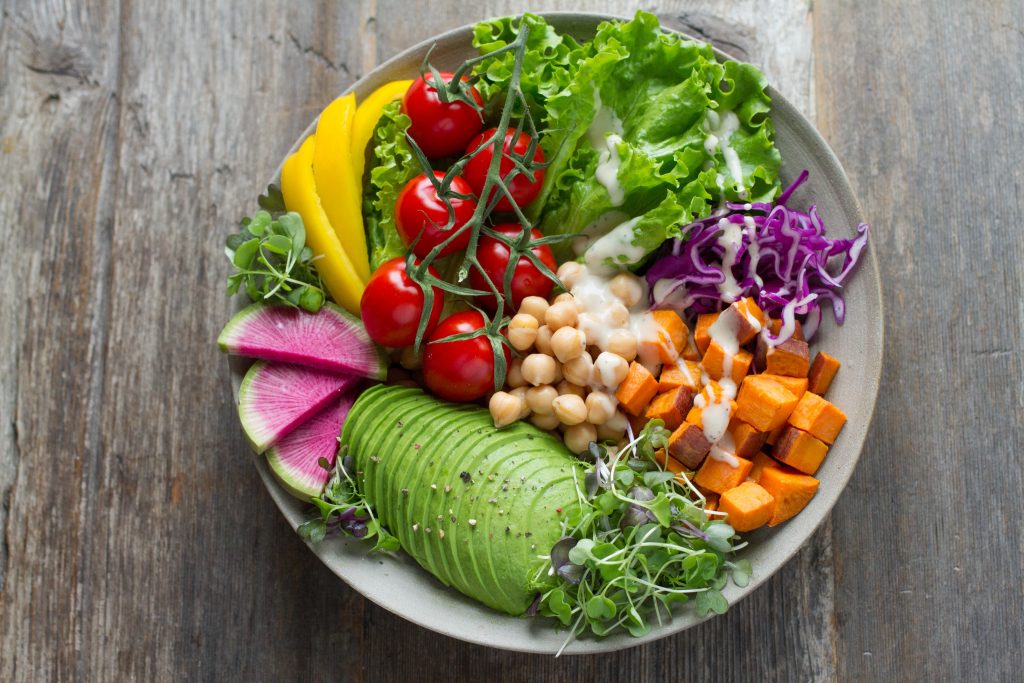
Recent evidence suggests your overall diet pattern matters more than people assume. Plant proteins are associated with much lower acid exposure than animal proteins, and plant-forward eating is linked to lower reflux prevalence overall. Shifting some of your meals toward vegetables, legumes and whole grains may quietly reduce symptoms in a way no single “avoid this food” rule can.
Do this instead — quick checklist
- Eat smaller, evenly spaced meals
- Stay upright for 2–3 hours after eating
- Have earlier, lighter dinners
- Eat more fiber and more plant-forward meals
- Cut back on smoking, alcohol and fried food
- Raise the head of the bed and sleep on your left side
- See a doctor for frequent or severe symptoms
Frequently Asked Questions
What is the number one cause of acidity?
There is no single cause, but the most common drivers are large meals, lying down too soon after eating, and late dinners — all of which let acid escape upward past the valve.
Can stress cause acidity?
Stress can worsen reflux through the gut-brain connection and by changing your eating and sleep habits. That makes stress management a legitimate part of an acidity plan.
Does milk help or worsen acidity?
Milk may soothe the burn briefly, but its fat content can later stimulate more acid in some people. It is a short-term comfort, not a reliable fix.
When should I see a doctor for acidity?
Seek care if heartburn happens more than twice a week, or comes with trouble swallowing, weight loss, vomiting, anemia or black stools.
Educational content, not medical advice. Frequent or severe acid reflux should be evaluated, and long-term medication use supervised, by a clinician.