 admin
You stare at whitening products long enough and they all start to blur together. One says hydrogen peroxide. Another says carbamide peroxide. A stronger one promises fast results, a gentler one promises comfort, and somewhere in the middle you are left trying to figure out what is actually safe, what works, and what your teeth can handle. If you have fillings, sensitivity, or uneven staining, the choice feels even less simple. For guidance tailored to your needs, Kalispell, Montana dental care can help you make a safer, more effective decision.
The short answer is this. Both ingredients can whiten teeth. The difference is how they break down, how quickly they work, and how likely they are to trigger sensitivity. In dentist supervised teeth whitening, the best choice usually depends less on marketing claims and more on your enamel, gum health, staining pattern, and how closely your treatment is monitored.
Hydrogen peroxide works faster and carbamide peroxide works longer
Hydrogen peroxide is the active bleaching agent that directly helps lift stains from enamel. Carbamide peroxide breaks down into hydrogen peroxide plus urea, which means it releases the whitening effect more slowly. That slower release is why carbamide peroxide is often used in take home trays from a dental office, while hydrogen peroxide is common in in office treatments designed to work faster.
That sounds straightforward until real life gets involved. Fast is not always better if your teeth are already reactive to cold drinks. Slower is not always better if you have a major event coming up and need visible change soon. You may also have stains from coffee, tea, smoking, aging, or certain medications, and each of those patterns can respond a little differently.
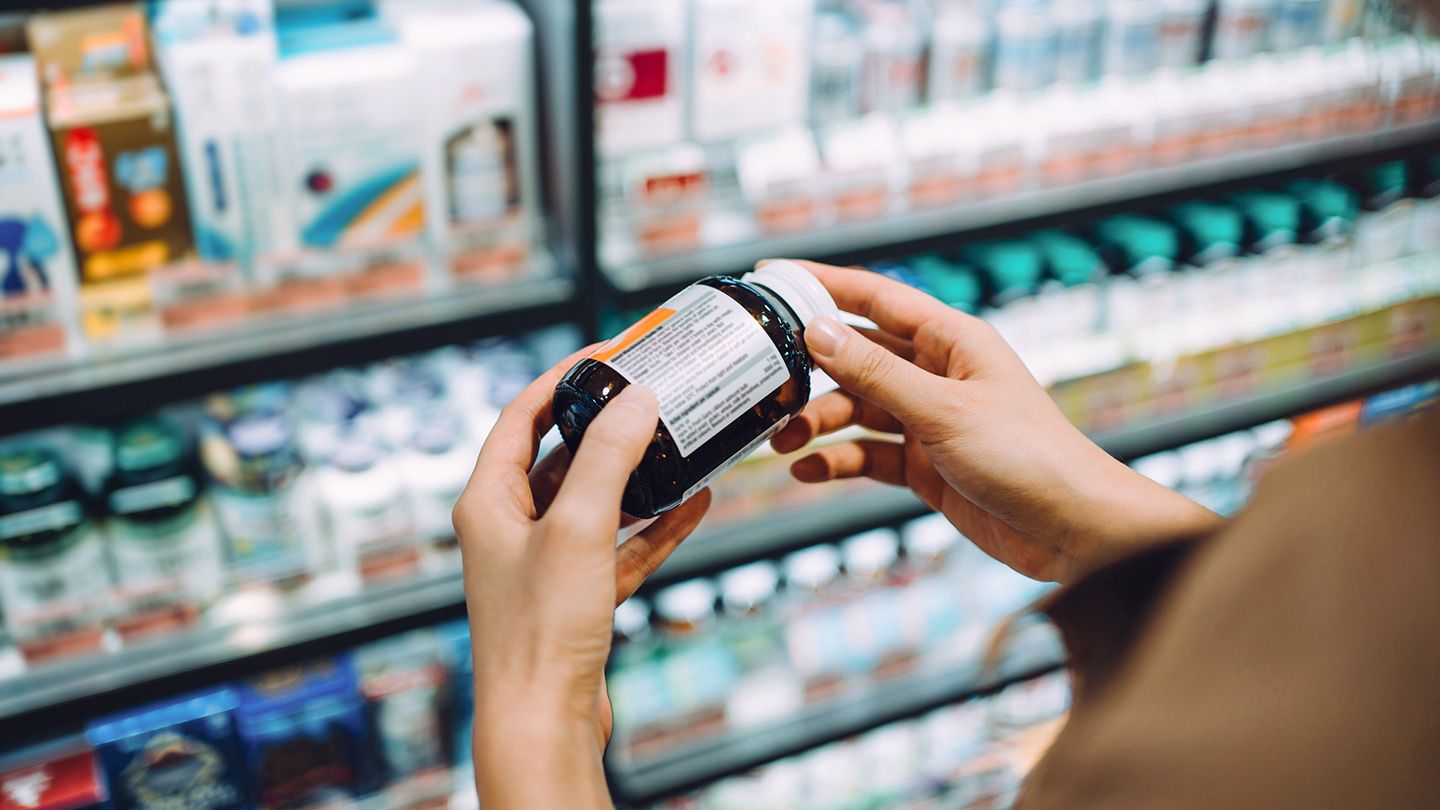
When people try to sort this out on their own, they often focus only on the percentage printed on the box. That can be misleading. A lower percentage used correctly in custom trays may be safer and more effective than a stronger over the counter strip used too often or pressed against irritated gums. The issue is not only strength. It is fit, timing, diagnosis, and supervision.
Dentist supervised whitening reduces the guesswork and the risk
You can buy whitening products almost anywhere, which makes them feel harmless. They are not harmless for everyone. If you have gum recession, exposed root surfaces, cracks, untreated cavities, crowns on front teeth, or heavy tartar buildup, whitening can disappoint you at best and hurt at worst. The University of Rochester warns about DIY teeth whitening for exactly this reason. Whitening is not one size fits all.
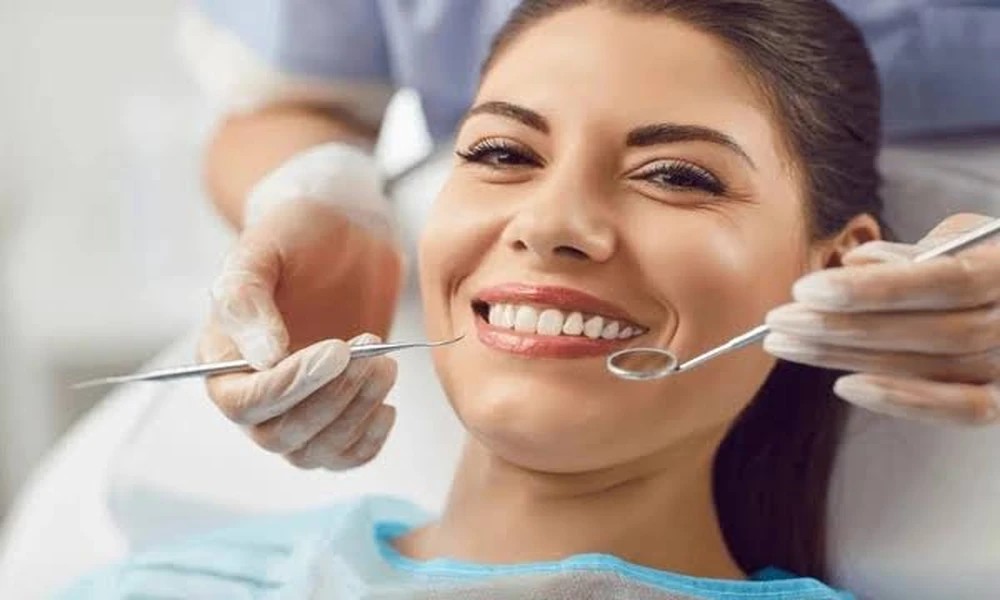
A dental exam changes the whole process. Your dentist can tell whether the color issue is surface stain, deeper internal discoloration, or mismatch from older dental work. They can also tell you something many people do not hear until after they spend money on kits. Fillings, crowns, and veneers do not whiten the same way natural teeth do.
That matters because a person with one dark natural tooth and two visible crowns may need a very different plan than a person with uniform yellowing. One may do well with carbamide peroxide trays worn over several nights. Another may need controlled hydrogen peroxide treatment in the office, followed by replacement of old restorations for a balanced result. That is where professional teeth whitening with peroxide becomes more than a product choice. It becomes treatment planning.
Carbamide peroxide vs hydrogen peroxide in teeth whitening comes down to comfort, speed, and control
| Feature | Carbamide Peroxide | Hydrogen Peroxide |
|---|---|---|
| How it works | Breaks down into hydrogen peroxide over time | Acts as the direct bleaching agent |
| Typical pace | Slower, steadier whitening | Faster visible change |
| Common use | Custom take home trays from a dental office | In office whitening and some take home systems |
| Sensitivity risk | Often easier for sensitive patients to tolerate | Can trigger more short term sensitivity in some patients |
| Wear time | Often longer wear time at lower intensity | Shorter treatment sessions |
| Best fit | Patients who want gradual change and more comfort | Patients who want speed and close chairside control |
Research and clinical guidance both support whitening when it is used correctly. Harvard Health explains that tooth whitening can be safe and effective, though temporary tooth sensitivity and gum irritation are common side effects. MedlinePlus also notes that tooth discoloration has different causes, which is why a proper exam matters before any bleaching plan starts.
If you are comparing carbamide peroxide vs hydrogen peroxide in teeth whitening, the practical question is usually this. Do you need speed, or do you need a gentler path that your teeth can tolerate? In a general and cosmetic dentist office, that decision can be made with your actual mouth in mind, not with generic instructions on a package.
Three steps help you choose the right whitening treatment
Get a diagnosis before you buy more whitening products. Yellowing from age, brown stain from coffee, white spots from enamel changes, and darkening from trauma do not behave the same way. A general and cosmetic dentist can tell you whether bleaching is the right tool or whether cleaning, bonding, or restoration replacement makes more sense.
Tell your dentist about sensitivity, restorations, and deadlines. If your teeth zing with cold water, say so. If you have crowns, fillings, or veneers in your smile line, say so. If you want results before a wedding or photos, say so. Those details shape whether carbamide peroxide trays or a hydrogen peroxide office treatment is the better fit.
Follow the schedule exactly as prescribed. More gel does not mean better whitening. Longer wear does not guarantee faster results. Overuse raises the odds of sore gums and sharp sensitivity, and it can leave you frustrated enough to stop before you get a stable result. Supervised whitening works best when the concentration, tray fit, and timing all match your needs.
The right whitening ingredient is the one that fits your teeth
You do not need to decode every whitening label on your own. Hydrogen peroxide and carbamide peroxide both have a place in teeth whitening under dental supervision, and the better option depends on your teeth, your comfort, and your goals. If you want a whiter smile without the trial and error, schedule a visit with a general and cosmetic dentist and get a plan that is built around what your teeth can safely handle.