 Jessica Monroe
 You might be here because a tooth has been bothering you for a while, or a crown just broke at the worst possible time, and now you are staring at your calendar wondering how many appointments this is going to take. You may remember older dental work that meant goopy impressions, long waits, and a nagging worry about whether the final crown would really fit. That is the “before” many people know all too well, and we are dedicated to helping Clearwater families maintain healthy smiles.
The “after” can look very different. Modern tools now help your general dentist create faster, more accurate dental restorations, often with less discomfort and fewer visits. In simple terms, technology can shorten your time in the chair, improve the fit of your crowns or fillings, and reduce the chance that something needs to be redone. This is the main idea. Dentistry is shifting from guesswork and repeated adjustments to careful digital planning and highly precise results.
So where does that leave you, sitting with a sore tooth or a broken filling and a lot of questions about what comes next?
Why do traditional dental restorations feel so stressful?
Think for a moment about what usually makes dental work so draining. There is the fear of pain. There is the time lost from work or family. There is the money involved. Then there is the uncertainty. Will this crown last? Will I need to come back again to adjust it?
In a traditional process, your dentist might take a physical impression of your teeth. That material can feel messy and uncomfortable, and if there is a tiny error, the whole impression might need to be taken again. The model then goes to a lab, a crown is made, and when you come back for the final appointment, the dentist hopes it fits perfectly. If it does not, more drilling and reshaping may be needed. You might not see all the small compromises, but you feel them when a tooth feels “off” when you bite.
Because of this, many people delay care. They wait until a cracked tooth becomes a real emergency, which then leads to bigger procedures, higher costs, and more stress. It is an understandable reaction. If past experiences were difficult, you are not wrong to hesitate.
So what changes when a dentist uses digital tools and modern systems instead of older methods?
How does technology actually improve crowns, fillings, and other restorations?
Modern general dentistry uses several kinds of technology that work together to improve the accuracy, speed, and comfort of your treatment. You may hear about digital scanners, CAD/CAM systems, and 3D imaging. Underneath the technical terms, the idea is simple. Capture your tooth as clearly as possible, plan the restoration in detail, and then create it with high precision.
For example, digital intraoral scanners can replace messy impression trays in many situations. They create a detailed 3D image of your teeth, which improves how well restorations fit. Research shows that digital methods can reach very high levels of accuracy and reduce errors that come from manual steps. One study on digital workflows for crowns and bridges found that modern systems are now reliable enough for everyday use, with accuracy that supports long term success. You can see a detailed review of this progress in this scientific overview of digital dentistry.
CAD/CAM systems then use that digital image to design and mill a crown or inlay from a solid block of material. That means fewer variables, fewer human errors, and usually less time. Some offices even offer same day crowns, where the tooth is prepared, scanned, and restored in a single visit. Not every situation works for this, but when it does, it can be a relief to walk out with the final restoration instead of a temporary one.
Technology also helps behind the scenes. Digital planning tools guide where and how much of the tooth needs to be reshaped. That can help preserve more healthy tooth structure and reduce the risk of sensitivity. Research on computer aided workflows for restorations shows improvements not only in precision but also in how predictable the final results are. If you are curious, you can read about these advances in this review of digital prosthetic workflows.
All of this matters because more precise work means fewer adjustments, fewer remakes, and less chance of something failing sooner than it should. It does not make treatment “perfect,” but it shifts the odds in your favor.
What does this mean for your comfort, time, and long term oral health?
When general dentists use digital tools for advanced tooth restoration technology, there are several practical benefits you might actually feel.
You may spend less time in the chair because impressions are faster, planning is more efficient, and the final restoration tends to fit better the first time. You may feel less discomfort because scanning is usually easier to tolerate than impression trays, and preserving more natural tooth can reduce sensitivity. Over time, you may also see fewer “surprises,” like a crown that fails early or a filling that never feels quite right.
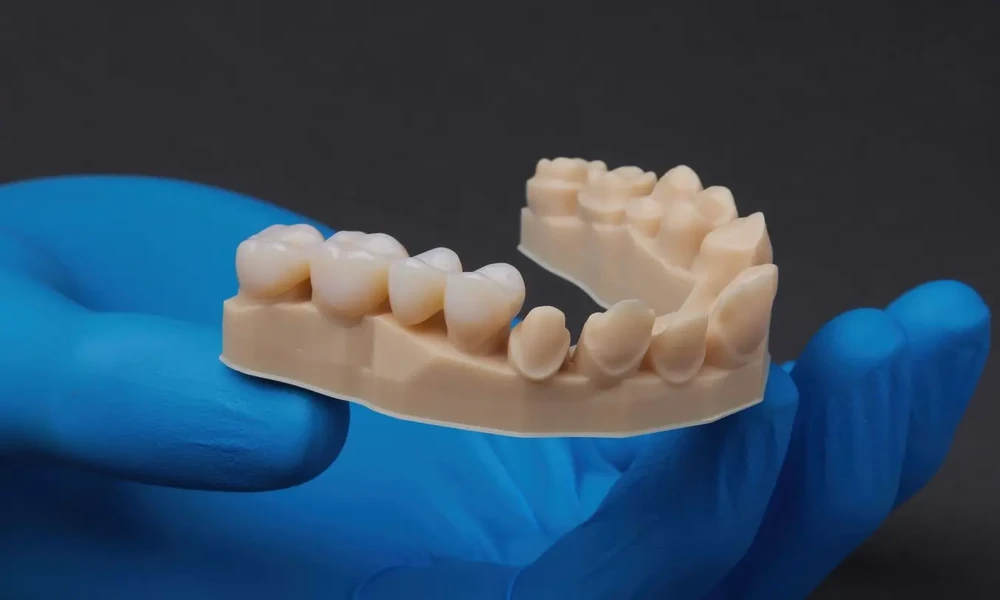
Studies on digital and 3D printed restorations also show that these methods can produce consistent quality that supports everyday chewing and long term use. For instance, research into 3D printed dental materials has found that some modern resins and ceramics hold up well under repeated stress, matching or approaching traditional materials for many uses. You can explore more details in this review of 3D printed dental restorations.
Of course, no technology removes the need for skill. The judgment of your dentist still matters. Technology is a tool, not a replacement for careful planning and honest communication. The best results come when those work together.
Comparing traditional and tech assisted dental restorations
It can help to see the differences side by side, especially when you are deciding whether to move ahead with treatment now or keep postponing it.
| Aspect | Traditional Restorations | Technology Assisted Restorations |
|---|---|---|
| Impressions | Physical trays with impression material. Can feel messy and trigger gagging. | Digital scanning with a small camera. Usually cleaner and more comfortable. |
| Number of Visits | Often two or more visits for crowns and complex work. | Sometimes single visit crowns. Often fewer total appointments. |
| Fit and Accuracy | Dependent on manual steps and lab handling. More chance of small errors. | Computer guided design and milling. Very precise and repeatable fit. |
| Comfort During Process | More time with mouth open. Possible need for repeat impressions. | Faster data capture. Usually fewer adjustments at delivery. |
| Long Term Reliability | Can be excellent, but more variable when many manual steps are involved. | High and consistent quality when combined with good clinical technique. |
| Cost Considerations | May have lower upfront technology costs for the office, but more repeat visits if issues arise. | Office invests in technology. For patients, fewer visits can reduce missed work and re treatment. |
Seeing these differences, you might ask yourself what matters most right now. Is it fewer visits, better comfort, or long term peace of mind that the work will last?
Three concrete steps you can take before your next dental visit
1. Ask directly about the technology used for your restorations
Before committing to treatment, ask your general dentist what tools they use for planning and creating restorations. Questions like “Do you use digital scanning instead of traditional impressions in my situation?” or “Will my crown be designed and milled with CAD/CAM?” are reasonable. Their answers will help you understand what to expect in terms of comfort and accuracy.
2. Talk through the timeline, not just the procedure
It is common to focus on what will be done to the tooth and forget to ask how many visits it will take, how long each visit will last, and what happens if an adjustment is needed. Ask whether a same day option is realistic for you. If not, ask how technology is used at each step to reduce delays and remakes. Clarity on the timeline can ease a lot of the quiet worry you may be carrying.
3. Weigh long term value, not only immediate cost
When you hear the fee for a crown or onlay created with newer methods, it may feel high at first glance. Try to also consider the long term value. A well fitting, digitally planned restoration from a skilled general dentist can reduce the risk of future repairs, sensitivity, or early failure. Ask about expected lifespan, any warranty or policy on remakes, and how the technology helps protect the remaining healthy tooth. This shifts the discussion from “How much is this visit?” to “How well will this restore and protect my tooth?”
Moving forward with more confidence in your dental care
If you have had difficult experiences with dental work in the past, your hesitation makes sense. You are not being dramatic or unreasonable. You remember what it felt like to sit through long, uncomfortable visits without knowing whether the result would truly last.
The good news is that modern general dentist care with digital tools can change that story. By using accurate imaging, computer guided design, and precise fabrication, your restorations can be faster to complete, more comfortable to receive, and more reliable over time. You still need a dentist who listens and explains, and you still have every right to ask questions until you feel clear.
The next step is simple. At your upcoming appointment or when you schedule a new one, ask how technology is used to support your treatment. Ask how it can help create faster, more accurate dental restorations for your specific situation. The more you understand, the more control you regain over your oral health and your peace of mind.