 James Andre
 You might already know this feeling. You look in the mirror and think your smile seems fine, but then a photo gets posted and suddenly all you can see is one tiny chip, uneven edges, or gums that show a little more than you expected. It is frustrating because whitening gets most of the attention, yet brighter teeth do not always fix the details a camera picks up. If you want a smile that looks better in pictures, a family dentist in San Mateo can help you understand why small changes often matter more than one shade of white. In many cases, a few subtle cosmetic updates, paired with good oral care, can create a more natural and flattering result than whitening alone.
That can be a relief to hear, especially if you have been worrying that the only answer is a big makeover. It usually is not. A trusted general and family dentist can often suggest small improvements that keep your smile looking like you, just more balanced, smoother, and easier to photograph.
Why do photos highlight smile details that mirrors often miss?
Cameras freeze a split second, and that changes everything. In real life, people notice your expression, your voice, and the way you move. In a photo, the eye goes straight to contrast and symmetry. That means a tiny crack, one darker tooth, or uneven spacing can stand out more than it would in person. Because of this, you might wonder whether whitening is even worth it. It can be, but it works best when the rest of the smile is already in harmony.
Good oral health still comes first. The CDC shares practical oral health tips for adults that support a cleaner, healthier smile before any cosmetic work begins. And when you think about the bigger picture, it helps to remember that oral conditions are common and can affect confidence as well as health, which is part of why the CDC tracks oral disease as a public health priority.
Which small smile enhancements often photograph better than whitening alone?
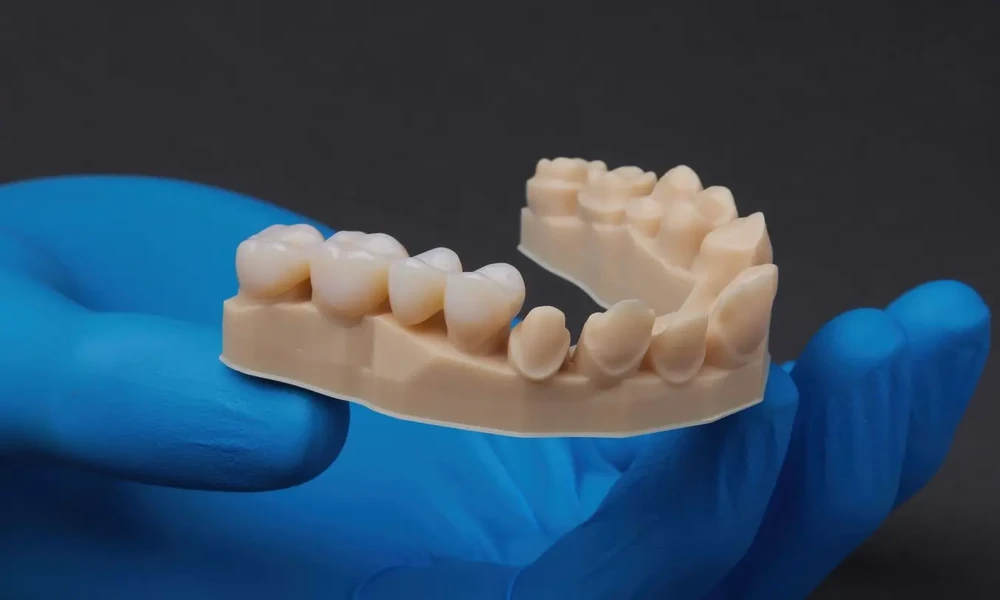
The first is edge bonding. If your front teeth have small chips, rough corners, or slight length differences, bonding can smooth those edges in a way that looks subtle but reads clearly in photos. Whitening may brighten the enamel, but it will not change shape. Bonding can.
The second is contouring. Sometimes teeth are healthy and bright enough, but one tooth is a little longer or sharper than the others. A minor reshaping can make the whole smile look more even. This is one of those changes people rarely notice directly, yet they often say your smile looks softer or more polished.
The third is replacing old dental work that no longer matches. A filling or crown on a front tooth may have looked fine years ago, but photos can reveal color mismatch or dullness. Updating older visible restorations can improve pictures more than another round of whitening.
The fourth is closing tiny gaps or correcting slight crowding. You do not always need major orthodontic treatment to improve how your smile photographs. In some cases, clear aligners or bonding can address minor spacing issues that create shadows in pictures.
The fifth is gumline refinement or better gum health. If your teeth are bright but your gums look swollen or uneven, photos can still feel off. Sometimes the answer is cosmetic contouring, and sometimes it is simply improving home care and scheduling professional cleanings. The CDC explains more about oral health and its role in overall well being, which is a good reminder that a better looking smile often starts with healthier gums.
So what gives you the best result for photos?
It helps to compare what whitening can and cannot do. Teeth bleaching is useful for lifting stains, especially from coffee, tea, or age. But if the issue is shape, spacing, or old restorations, whitening alone may leave you disappointed. That is where small smile enhancements can make a bigger visual difference.
| Enhancement | What It Improves | How It Shows in Photos | Whitening Alone Can Do This? |
|---|---|---|---|
| Professional whitening | Overall tooth color | Brighter smile, less staining | Yes |
| Bonding | Chips, cracks, slight gaps, uneven edges | Smoother, more even front teeth | No |
| Contouring | Minor shape and length issues | Better symmetry and softer smile line | No |
| Replacing old visible dental work | Mismatched fillings or crowns | More consistent color and texture | No |
| Minor alignment correction | Small gaps or crowding | Less shadowing, cleaner smile line | No |
If you have ever tried whitening and still felt underwhelmed by your photos, this is usually why. The camera often rewards balance more than brightness. That is the heart of cosmetic smile improvements. They do not need to be dramatic to be effective.
What can you do right now if you want a more photogenic smile?
1. Look for the real issue, not just the obvious one.
Take a few natural photos of your smile in daylight. Notice whether the problem is truly color, or if it is shape, spacing, a visible chip, or gum appearance. Many people assume they need whiter teeth when the bigger issue is actually uneven edges.
2. Start with health and maintenance.
Before choosing any smile enhancement options, make sure your teeth and gums are healthy. A cleaning, updated exam, and better daily brushing and flossing can improve how your smile looks even before cosmetic work begins. This also helps any future treatment last longer and look better.
3. Ask about the smallest change with the biggest visual impact.
You do not need to ask for a full makeover. Ask your dentist which single improvement would show up most in photos. In many cases, one bonded edge, one reshaped tooth, or one updated front restoration can change the whole look of your smile.
Could a few subtle changes be all your smile really needs?
Often, yes. If you have been focusing only on whitening, it makes sense. It is familiar, simple, and easy to picture. But a photogenic smile is usually about more than brightness. It is about proportion, texture, and small details that help your smile look relaxed and natural when a camera catches it. A general and family dentist can help you sort through those details without pushing you toward more treatment than you need.
You do not have to chase a perfect smile to feel better in photos. Sometimes the best result comes from one or two thoughtful changes that still look like you. If your smile looks different in pictures than it does in your head, that does not mean you are imagining things. It just means the camera is picking up details that can often be improved in simple, practical ways.