 William Kuehn
 If you’ve received a blood test result and seen “neutrophils” listed—possibly flagged as high or low—it’s natural to want to understand what it means. Many people find themselves asking, “what is neutrophils in blood test“ and how it relates to their overall health. Neutrophils are part of your white blood cell (WBC) count and one of the most important indicators of how your immune system is functioning.
Neutrophils are the most abundant type of white blood cell, making up 40% to 75% of total white blood cells. On a blood test, they reflect your body’s frontline defense against bacterial and fungal infections. Abnormal levels—either high (neutrophilia) or low (neutropenia)—indicate specific underlying conditions.
What Neutrophils Are and What They Do
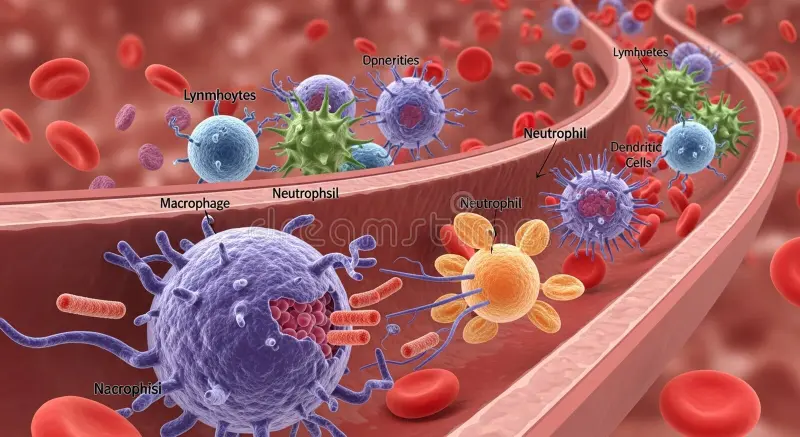
Neutrophils are produced in the bone marrow and patrol the bloodstream continuously. When bacteria or fungi enter the body, neutrophils are typically the first responders – they identify, engulf, and destroy pathogens through a process called phagocytosis.
They also release enzymes and chemicals that create the classic signs of inflammation: redness, swelling, and heat at an infection site.
Normal Neutrophil Reference Ranges
| Measurement | Normal Range |
|---|---|
| Absolute neutrophil count (ANC) | 1,800 – 7,700 cells/µL |
| Neutrophils as % of WBC | 40% – 75% |
These ranges can vary slightly between laboratories. Always compare your result to the reference range shown on your specific lab report.
High Neutrophils (Neutrophilia)
An elevated neutrophil count above 7,700/µL (or >75%) is called neutrophilia.
Common Causes of High Neutrophils
| Cause | Why It Raises Neutrophils |
|---|---|
| Bacterial infection | Most common cause – body mobilises neutrophils to fight bacteria |
| Physical stress (surgery, injury, burns) | Stress response releases stored neutrophils |
| Corticosteroid medications | Steroids release neutrophils from bone marrow |
| Smoking | Chronic inflammation increases WBC |
| Vigorous exercise | Temporary post-exercise rise |
| Pregnancy | Physiological increase, especially in third trimester |
| Inflammatory conditions (rheumatoid arthritis, IBD) | Chronic inflammation drives WBC elevation |
| Chronic myeloid leukemia (CML) | Rare – extreme elevation; requires further testing |
Key point: A mildly elevated neutrophil count during an acute illness is expected and reassuring – it means your immune system is responding. Very high counts (>30,000/µL) without infection may warrant further investigation.
Low Neutrophils (Neutropenia)
A neutrophil count below 1,800/µL is called neutropenia. Below 500/µL is severe neutropenia and a medical emergency.
Common Causes of Low Neutrophils
| Cause | Notes |
|---|---|
| Viral infections | Viruses (including COVID-19, influenza, HIV) can suppress neutrophil production |
| Chemotherapy | Most common cause in cancer patients |
| Certain medications | Antithyroid drugs, some antibiotics, antipsychotics |
| Autoimmune conditions | Lupus, Felty syndrome destroy neutrophils |
| Aplastic anaemia | Bone marrow fails to produce blood cells |
| Vitamin B12 or folate deficiency | Impairs blood cell production |
| Benign ethnic neutropenia | Naturally lower baseline in some populations – not a disease |
What Low Neutrophils Mean for You
Neutropenia increases infection risk:
| ANC Level | Risk Level |
|---|---|
| 1,000-1,800/µL | Mild – slightly increased risk |
| 500-1,000/µL | Moderate – avoid sick contacts; monitor |
| Below 500/µL | Severe – high infection risk; often requires medical management |
Neutrophils on a Full Blood Count (FBC/CBC)
When you see a full blood count (FBC/CBC) report, you’ll typically see:
- WBC (white blood cell count) – total
- Differential – the breakdown of WBC types, including neutrophils
- ANC – absolute neutrophil count (most clinically useful number)
- Bands – immature neutrophils; if elevated, suggests active infection
A “left shift” – an increase in immature neutrophil forms (bands) – is a classic sign of acute bacterial infection.
When to Be Concerned
Seek medical attention if:
- Neutrophil count is below 1,000/µL and you develop fever (above 38°C/100.4°F) – this is a medical emergency called febrile neutropenia
- Your count is significantly elevated without an obvious explanation
- You are on chemotherapy and your count drops below 500/µL
Bottom Line
Neutrophils on a blood test tell your doctor how your immune system’s bacterial defence force is functioning. High levels typically signal infection, inflammation, or a stress response. Low levels increase infection risk and can stem from viral illness, medications, or bone marrow issues. A single result in isolation is rarely definitive – your doctor will interpret it alongside your symptoms, history, and other blood markers to reach a meaningful conclusion.